

The passive is something that is used when we want to take away the emphasis from who does the action within your sentence. Let’s have a look.
An active sentence clearly shows the subject or the doer of the sentence:
I marked the papers last night. = our verb here is marked, and the person who marked? I. It’s clear that I marked the papers.
The passive version of the same sentence:
The papers were marked last night. =Who marked the papers? We don’t know. It’s no longer clear. We know that the papers (the object of the sentence, or the thing that receives the verb- in this case, the things that are marked) were marked, but we’ve removed who did it. Why?
There are lots of reasons why someone might want to remove the person or doer in the sentence.
Maybe it doesn’t really matter who did it– the papers are marked and that’s the most important thing.

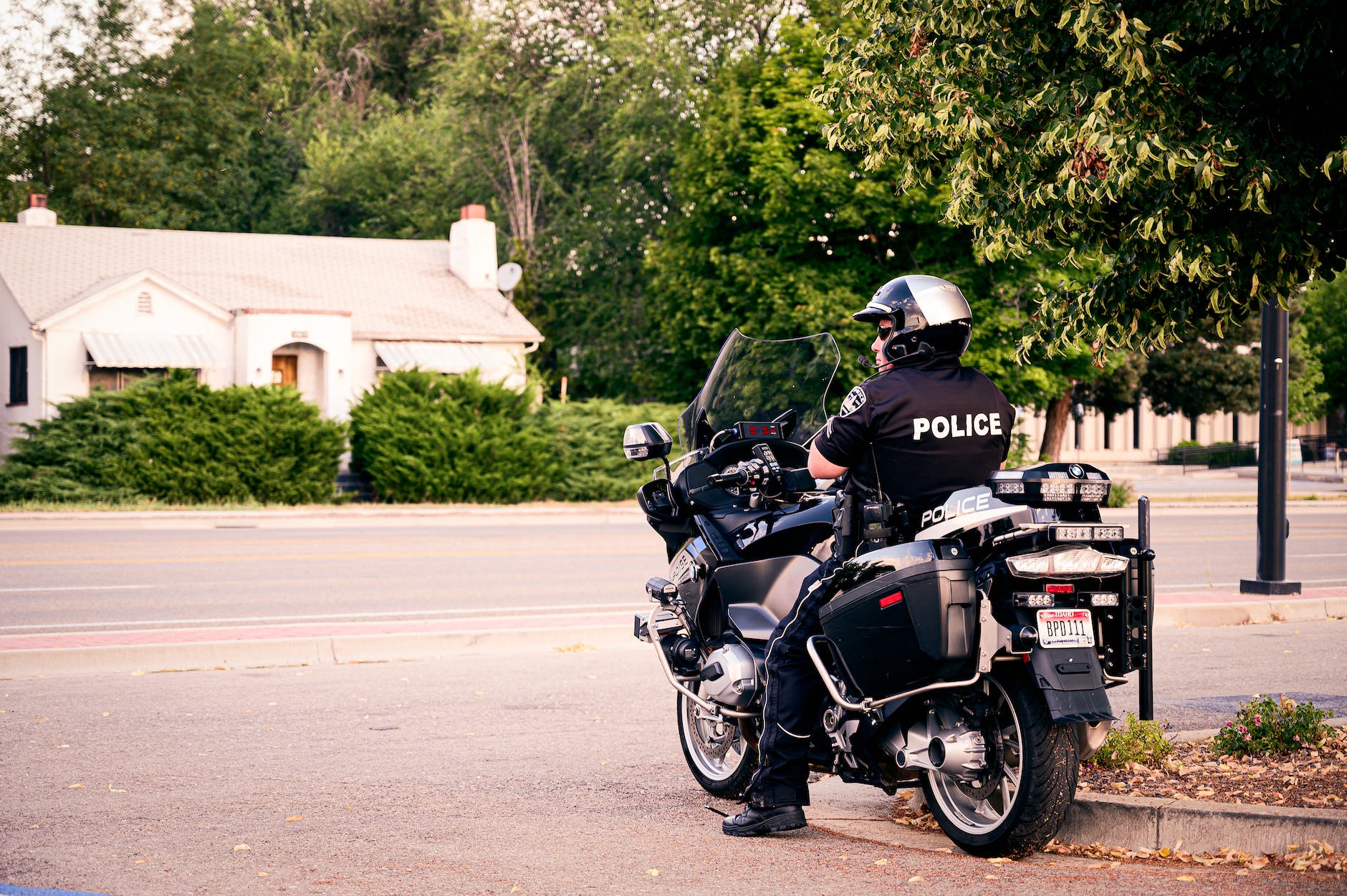
Maybe we know or we can safely assume who did it– we can assume that the teachers marked the exams, so it’s not important for us to mention them. This often happens in the newspaper with mentions of the police.
Maybe we have no idea who did it– the magically marked papers just appeared on my desk! HURRAY! While in this example, that’s probably not the case but it could be in other situations.

Maybe we’re writing a scientific report, in which case most conventions say we should remove the subjects where we can, to create distance from the doer and the action itself.

Maybe we want to remove blame from the sentence– perhaps the papers were marked incorrectly. If I remove the ‘I’ from the sentence, then you can’t blame me if the papers are all marked incorrectly. Consider, ‘The iPhone was broken on my way to work.’ Who did it? Not me…

We can also often see the passive used in:
- newspaper articles, especially involving the police
- describing a process with a series of steps, when it doesn’t really matter or we don’t know who completes each step
- when we’re reading something scientific or formal where distance needs to be placed between the writer and the action
- when we’re talking about crimes
- when we want to ask who did something, without sounding like we’re accusing someone of something
- when we talk about when something was built, or established
When we want to include who did it, but we still want to use the passive, we can add ‘by’ and the doer: The papers were marked by Heather. This tends to sound more formal and again puts more emphasis on the papers being marked than who did it.
Do you use the passive in your native language? Tell us about it in the comments!

 English Class with Heather