
You may have heard of used to when talking about the past, but have you also learned how to use would? Let’s look at the rules.
Used to can be used to talk about something that happened (usually multiple times, or often) in the past, that has now changed.
For example: I used to smoke, but I quit last year.
In this case, in the past I smoked often and regularly- it was a habit. I don’t smoke anymore, I quit last year. This habit has changed or stopped completely, so I used used to to show this.

You used to call me on my cell phone.
Drake knows this pain- he’s telling us about something that happened many times in the past but has now stopped. By using used to, we can assume that it has stopped or it has changed, without having to be told that.
But what about would?
Would can be used to talk about things that were done often/repeatedly in the past. When we use would, there is a feeling of nostalgia or a happy/fondness in remembering the repeated action. The key here is that it must be an action, not a state. State verbs cannot be used with would in the past for this function. When we want to describe past habitual states that are now different, we can use used to.
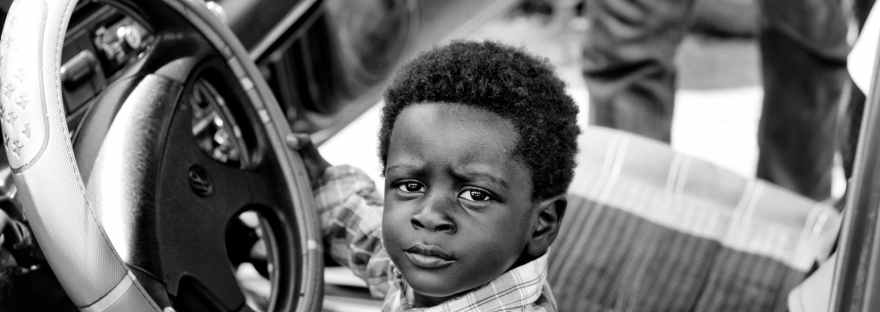
When I was little, my dad would let me ride in the front seat of the car.

In this example, I am thinking about this fondly. It doesn’t necessarily mean that it has stopped, but it does mean it happened many times in the past and I remember it in a good way.
What about you? What did you used to do as a child that you don’t do anymore?

 English Class with Heather